

Acalypha peduncularis

Common Name: Brooms and Brushes

Scientific Name: Acalypha peduncularis

Status: Least Concern

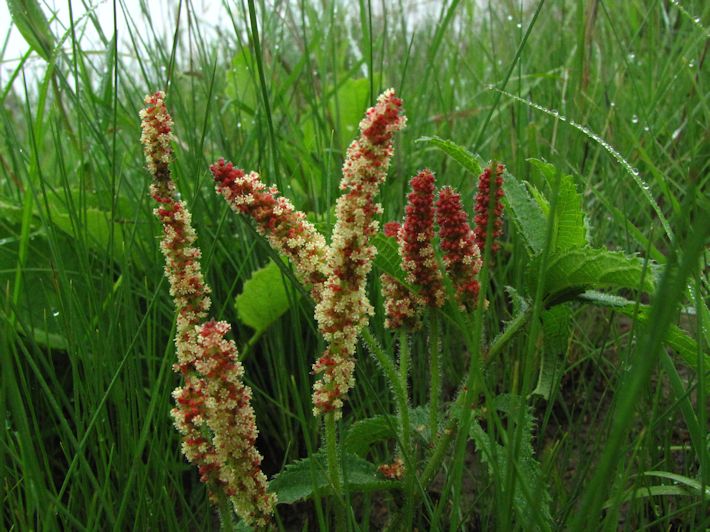
Quick ID: Male flowers form slender red-and-white spikes, while female flowers appear as soft, spidery red puffs.

Where to Find It: Grassland areas, especially recently burnt veld.

When to See It: Spring.

Acalypha peduncularis

Common Name: Brooms and Brushes

Scientific Name: Acalypha peduncularis

Status: Least Concern

Quick ID: Male flowers form slender red-and-white spikes, while female flowers appear as soft, spidery red puffs.

Where to Find It: Grassland areas, especially recently burnt veld.

When to See It: Spring.

 Acalypha peduncularis is a common Midlands grassland wildflower often most noticeable after fire.

Acalypha peduncularis is a fascinating Midlands grassland wildflower best known for the dramatic difference between its male and female flowers, which often appear so distinct they can be mistaken for separate species. Common in recently burnt veld across the Dargle, this indigenous perennial re-emerges quickly after fire from a woody underground rhizome. One of 28 Acalypha species found in southern Africa, it has long been used in traditional medicine and remains one of the most recognisable spring plants in KwaZulu-Natal mistbelt grasslands.

 Its distinctly different male and female flowers can make it appear like two separate species at first glance. Look for bright green, nettle-like leaves clustered close to the ground, with toothed edges and a slightly hairy texture.The contrast between the two flower forms is the most reliable field clue.
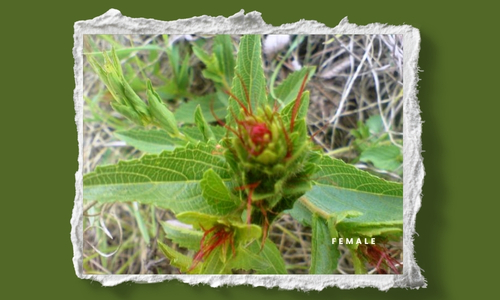
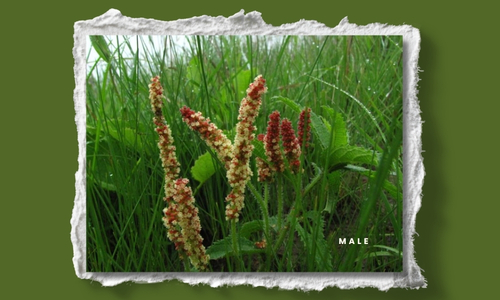
This species is best found in open grassland, particularly in areas that have recently burnt.In the Dargle area, it may be seen at Beacon Hill, Gartmore, Bill Barnes Nature Reserve, Fort Nottingham, and Mbona.

Most visible in spring, especially in the weeks following veld fires.

No major handling danger is known. Although the plant has traditional medicinal uses, it is best appreciated as a wild species rather than used.

Listed as Least Concern on South Africa’s Red List.

This is a classic “look twice” species — the different male and female flowers often confuse first-time observers.It’s a great introduction to grassland biodiversity and works well as a starting point for spring wildflower identification.

Seen this plant in the wild?

Help us document local biodiversity.
If you spot this species in The Dargle, tag the Conservancy (@dargle.kzn) and share your sighting online.

Dargle Conservancy | Registered NPO No. 054-508