
Grey Crowned Crane
Scientific Name: Balearica regulorum
Status: Endangered
Quick ID: : Grey crane with a golden crown of feathers and a distinctive red throat pouch.
Where to Find It: Wetlands, grasslands, agricultural lands and open fields.
When to See It: Year-round
About This Species
The Grey Crowned Crane is one of the Dargle's most recognisable birds and proudly features on the Dargle Conservancy logo. Instantly identifiable by its striking golden crown of feathers, this elegant crane is often seen feeding in wetlands, grasslands and cultivated lands throughout the valley. Its adaptability allows it to use both natural and agricultural landscapes, making it a familiar sight across the Midlands.Although still regularly encountered in the region, Grey Crowned Crane populations have declined in many areas due to habitat loss, wetland degradation, powerline collisions and human disturbance. The species depends on healthy wetlands for breeding and roosting, while feeding in surrounding grasslands and fields. Its continued presence in the Dargle highlights the importance of conserving both natural habitats and productive agricultural landscapes.
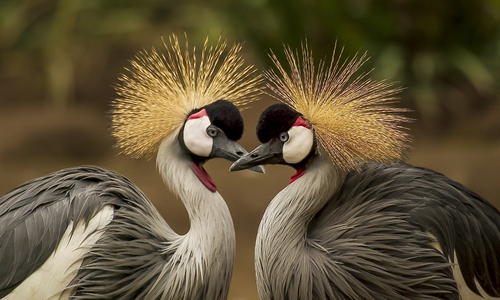

Grey Crowned Crane
Scientific Name: Balearica regulorum
Status: Endangered
Quick ID: : Grey crane with a golden crown of feathers and a distinctive red throat pouch.
Where to Find It: Wetlands, grasslands, agricultural lands and open fields.
When to See It: Year-round
About This Species
The Grey Crowned Crane is one of the Dargle's most recognisable birds and proudly features on the Dargle Conservancy logo. Instantly identifiable by its striking golden crown of feathers, this elegant crane is often seen feeding in wetlands, grasslands and cultivated lands throughout the valley. Its adaptability allows it to use both natural and agricultural landscapes, making it a familiar sight across the Midlands.Although still regularly encountered in the region, Grey Crowned Crane populations have declined in many areas due to habitat loss, wetland degradation, powerline collisions and human disturbance. The species depends on healthy wetlands for breeding and roosting, while feeding in surrounding grasslands and fields. Its continued presence in the Dargle highlights the importance of conserving both natural habitats and productive agricultural landscapes.
An iconic Midlands species and a symbol of the connection between farming and conservation.
Seen this species in the wild?

Help us document local biodiversity.
If you spot this species in The Dargle, tag the Conservancy (@dargle.kzn) and share your sighting online.